—
### Introduction: A Historic Meeting
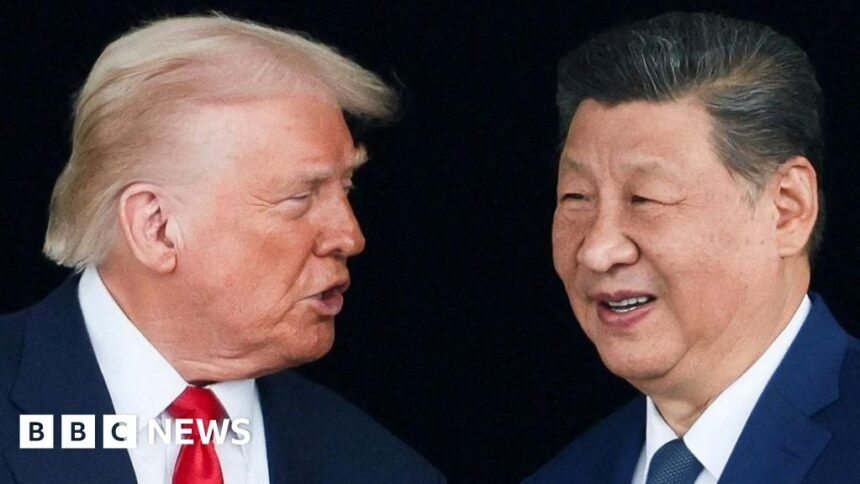
For the first time in six years, the President of the United States met face-to-face with the President of China. This meeting is crucial not only for bilateral relations but also for the broader global economic landscape. Understanding the implications of this encounter can help investors navigate potential market fluctuations.
### Key Terms Explained
**Bilateral Relations**: This refers to the political, economic, and cultural ties between two countries. Strong bilateral relations can lead to increased trade and investment opportunities.
**Global Markets**: These are the interconnected financial markets where assets such as stocks, bonds, and currencies are traded. Changes in major economies, like the US and China, can ripple through these markets.
**Trade Agreements**: These are formal agreements between countries to facilitate trade by reducing tariffs and other barriers. They can significantly impact economic growth and investor confidence.
### Causes of the Meeting
The meeting between the two leaders comes amidst rising tensions over trade, technology, and geopolitical issues. Key factors include:
– **Economic Recovery**: Both nations are looking to stabilize their economies post-pandemic. A collaborative approach could enhance growth prospects.
– **Supply Chain Disruptions**: The COVID-19 pandemic exposed vulnerabilities in global supply chains. Cooperation may lead to more resilient systems.
– **Geopolitical Tensions**: Issues such as Taiwan’s status and South China Sea disputes have strained relations. Addressing these concerns is essential for maintaining peace and stability.
### Effects on Global Markets
The outcomes of this meeting could have significant implications for global markets:
1. **Investor Sentiment**: Positive discussions could boost investor confidence, leading to higher stock prices. Conversely, a lack of progress might lead to market volatility.
2. **Trade Flows**: Any agreements made could impact tariffs and trade flows between the two nations, affecting industries such as technology, agriculture, and manufacturing.
3. **Currency Fluctuations**: The US dollar and Chinese yuan may experience volatility based on the meeting’s outcomes, impacting international trade and investment.
### Actionable Takeaways for Investors
Investors should consider the following strategies in light of this historic meeting:
– **Diversification**: Given potential market volatility, diversify your portfolio across different sectors and geographies to mitigate risks.
– **Monitor Trade Developments**: Keep an eye on news related to trade agreements and tariffs. Changes can significantly affect specific sectors, particularly those reliant on exports.
– **Focus on Resilience**: Invest in companies that have strong supply chain management and are less vulnerable to international disruptions. These firms are likely to perform better in uncertain conditions.
– **Stay Informed**: Regularly follow updates on US-China relations and broader geopolitical developments. Being informed can help you make timely investment decisions.
### Conclusion: A Pivotal Moment
The face-to-face meeting between the US and Chinese presidents represents a pivotal moment in international relations. The effects on global markets could be profound, influencing everything from trade flows to investor sentiment. By staying informed and adjusting strategies accordingly, investors can navigate the evolving landscape effectively.