—
## Introduction: A Tense Trade Landscape
The ongoing trade negotiations between the United States and China have become increasingly critical as both nations grapple with economic tensions. Recent talks in Malaysia have been described as “very constructive,” but the backdrop of a potential trade war looms large. Understanding the key terms and implications of these discussions is essential for investors looking to navigate this volatile environment.
## Key Terms Explained
**Tariffs**: These are taxes imposed on imported goods. The current trade landscape has seen the U.S. impose tariffs as high as 157% on certain Chinese products, aimed at protecting American industries but also raising costs for consumers.
**Rare Earth Elements**: These are a group of 17 minerals crucial for manufacturing electronics, batteries, and other technologies. Recent export controls by China on these materials have sparked concerns in the U.S. about supply chain disruptions.
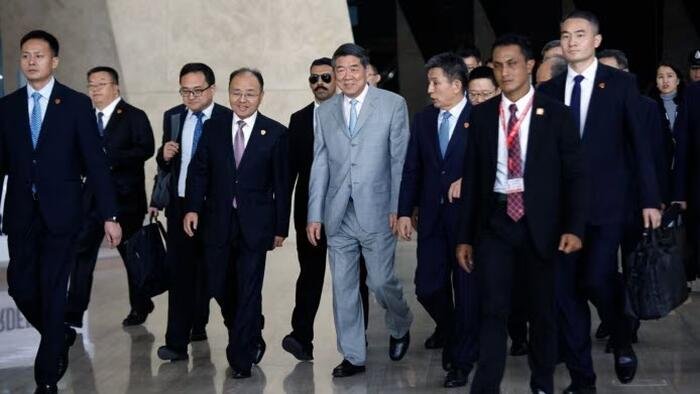
**Trade Delegation**: This refers to a group of officials representing a country in negotiations. In this case, U.S. Treasury Secretary Scott Bessent led the American delegation, while China’s Vice Premier He Lifeng headed the Chinese side.
## Current Situation: Constructive Talks
During the recent discussions, U.S. Treasury Secretary Bessent and Chinese officials met for over five hours in Kuala Lumpur. While the Chinese delegation did not make any public statements after the meeting, the U.S. characterized the talks positively. Bessent’s earlier criticisms of the Chinese trade representative, Li Chenggang, highlight the underlying tensions but also point to the necessity of dialogue.
### Causes of Tension
The trade relationship has deteriorated due to several factors:
– **New Export Controls**: China’s recent announcement requiring permissions for exporting rare earth elements has raised alarms in the U.S., leading to threats of new tariffs.
– **Retaliatory Measures**: In response to U.S. tariffs, China has implemented its own measures, including stricter export controls, which have significant implications for global supply chains.
## Implications for Investors
### Market Reaction
Investors should note that the stock market has already reacted to news of escalating tensions. Two weeks ago, the market experienced its most significant drop since April, primarily due to fears of heightened tariffs.
### What to Watch For
1. **Upcoming Meetings**: The anticipated meeting between President Trump and Chinese President Xi Jinping at the Asia-Pacific Economic Cooperation (APEC) summit could be pivotal. Investors should monitor any announcements or agreements that emerge from this meeting, as they can significantly impact market sentiment.
2. **Tariff Status**: The U.S. is considering pausing the imposition of additional tariffs in exchange for concessions from China, such as resuming purchases of American soybeans. Investors should be aware of how these negotiations unfold, as they can influence commodity prices and market stability.
3. **Global Supply Chains**: The ongoing trade war has already reshaped global supply chains. Companies reliant on Chinese exports may need to adjust their strategies in response to new tariffs and export controls. Investors should consider the potential for shifts in stock performance based on these adjustments.
## Conclusion: Navigating Uncertainty
As the U.S. and China continue their negotiations, the landscape remains uncertain. Investors should stay informed about the developments in trade talks and understand the broader implications for the economy and specific sectors. By monitoring these key factors, investors can better position themselves to navigate the complexities of the current trade environment.