—
### Overview of the Alligator Alcatraz Lawsuit
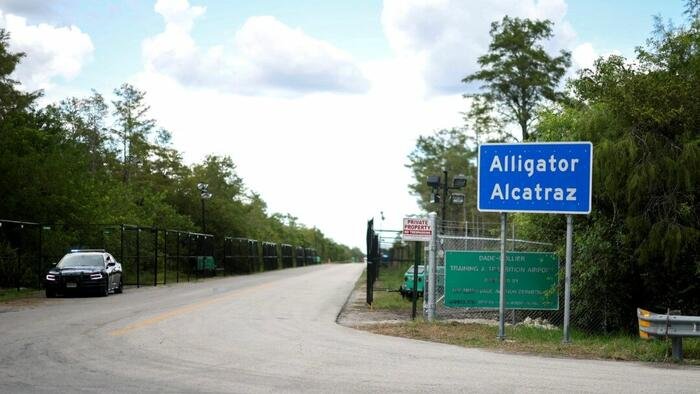
A recent decision by the U.S. 11th Circuit Court of Appeals has halted the ongoing lawsuit against the South Florida Detention Center, popularly known as Alligator Alcatraz. This pause is a direct consequence of the current U.S. government shutdown, which has left the federal attorneys involved in the case furloughed. The shutdown has significant implications for litigation and environmental policies tied to the facility’s operation.
### Understanding the Legal Context
The lawsuit, initiated by environmental groups including Friends of the Everglades and Florida’s Miccosukee Tribe of Indians, alleges that the federal government violated the National Environmental Policy Act (NEPA) and the Administrative Procedure Act (APA). These laws require comprehensive environmental reviews and public comment before significant projects, like the construction of Alligator Alcatraz, can proceed.
In August, a district court sided with the plaintiffs, ruling that the construction of the facility was rushed and did not consider its potential environmental impact. However, the appeals court has since overturned this decision, indicating that the government may not have breached NEPA or APA guidelines, especially since there is no clear evidence of federal funding being allocated to the project at this time.
### Implications of the Court’s Decision
The court’s decision to pause the case has raised concerns among environmental advocates. They argue that this delay allows the government to sidestep accountability for its actions and may exacerbate harm to the fragile Everglades ecosystem. The Center for Biological Diversity has been vocal in its criticism, asserting that the government’s request for a litigation pause is detrimental to environmental protection efforts.
The Everglades, recognized as the largest mangrove ecosystem in the Western Hemisphere and a UNESCO World Heritage site, is under threat from various development projects. Environmental groups are mobilizing to protest the facility’s operation, emphasizing its potential harm to the area’s biodiversity.
### Key Takeaways for Stakeholders
1. **Monitor Government Actions**: Stakeholders, especially those in environmental sectors, should closely follow the developments surrounding the Alligator Alcatraz case. The outcome could set significant precedents for environmental litigation and federal project approvals.
2. **Advocate for Environmental Reviews**: Organizations and individuals concerned about environmental impacts should advocate for strict adherence to NEPA and APA regulations. Ensuring that comprehensive reviews are conducted can help safeguard ecosystems from hasty developments.
3. **Engagement in Public Discourse**: The ongoing protests and vigils organized by environmental groups highlight the importance of public engagement in environmental issues. Stakeholders should consider participating in or supporting these initiatives to raise awareness about the implications of such projects.
4. **Prepare for Future Legal Challenges**: The appeals court’s ruling could lead to further legal battles over similar projects. Stakeholders should prepare for potential litigation scenarios and consider their positions regarding environmental compliance.
### Conclusion
The suspension of the Alligator Alcatraz lawsuit due to the government shutdown underscores the intricate relationship between legal frameworks, environmental policy, and governmental operations. As the situation unfolds, it remains crucial for stakeholders to remain informed, engaged, and proactive in advocating for sustainable practices and accountability in federal projects.